Land Policies Observatory

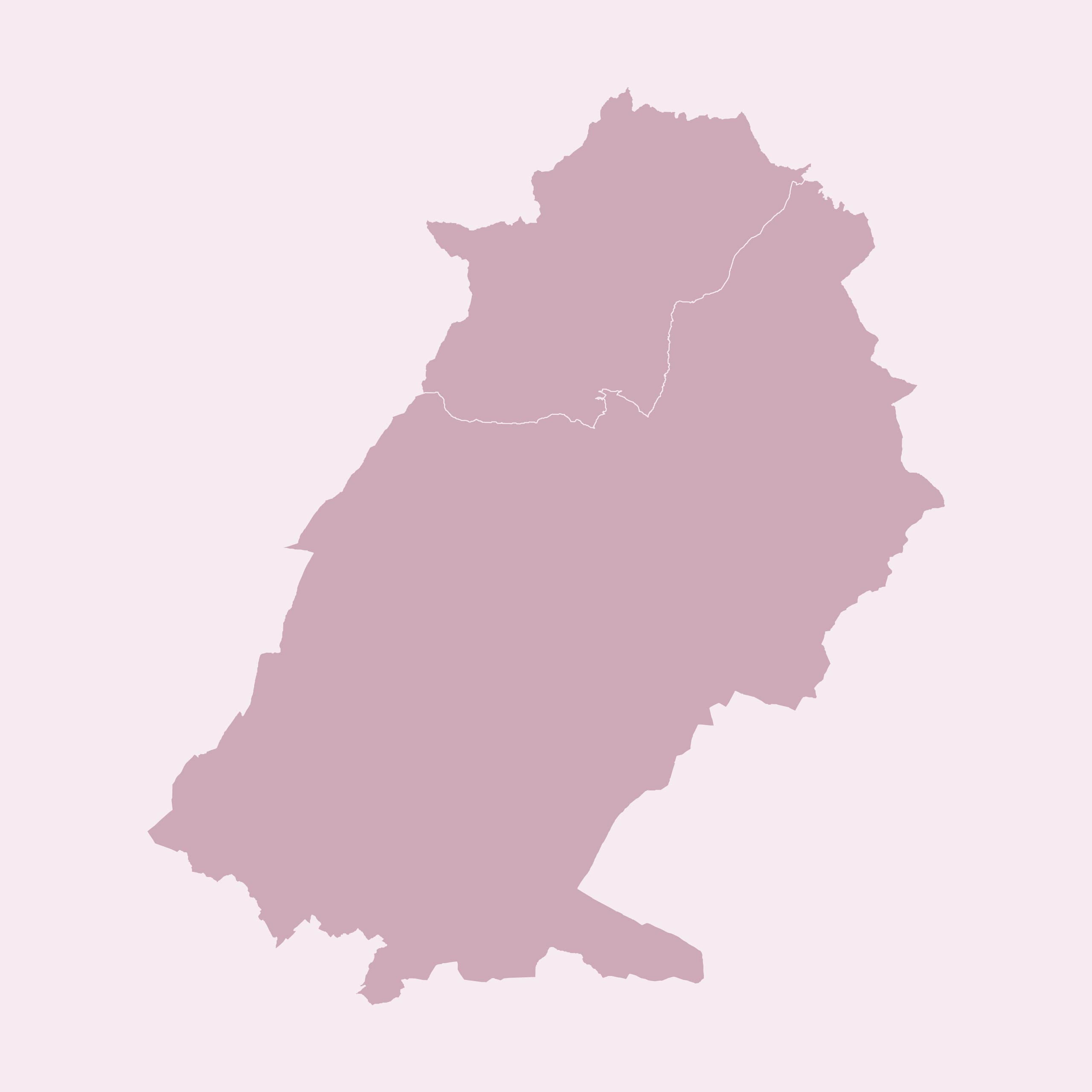
North Governorate

This governorate includes a significant number of state-owned properties (4,278 plots), and 23% of its area is fully or partially planned. According to the recommendations of the NPMPLT, it is supposed to be given a privileged position in maritime transport, industry, tourism, international exhibitions, and higher education.
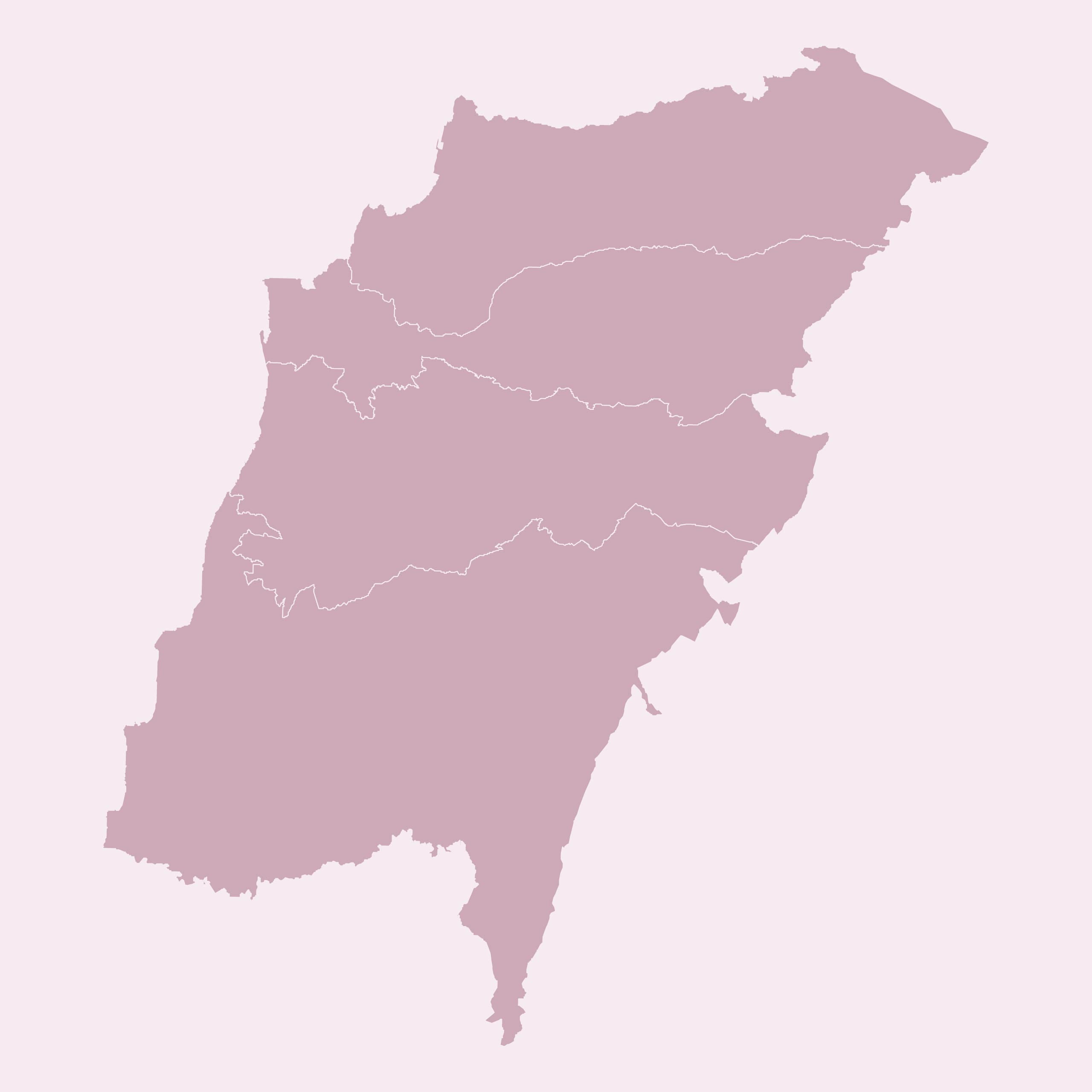
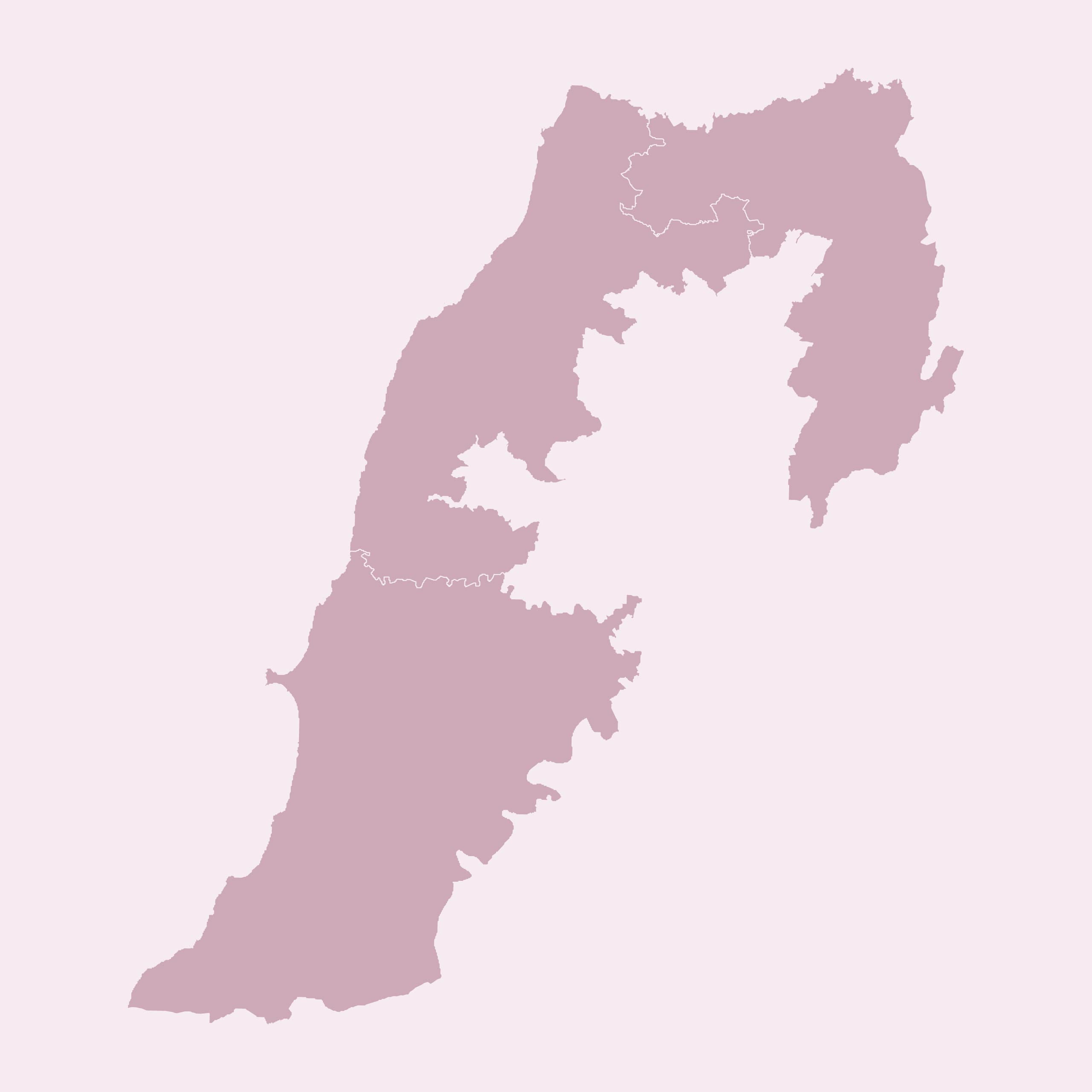
Kesrwane-Jbeil Governorate

This governorate has the lowest number of state-owned properties after Beirut Governorate (2229 plots), with 19.8% of its area planned or partially planned. The NPMPLT indicates that organizing its urban structure to accommodate the future demographic and urban growth of the whole Central Urban Area (Beirut and Mount Lebanon), remains one of the main challenges.

Mount Lebanon Governorate

This governorate has a considerable number of state-owned properties (5584 plots), with 37.9% of its area planned or partially planned. The NPMPLT indicates it will accommodate the future demographic and urban growth of the whole Central Urban Area (Beirut and Mount Lebanon), therefore, it would be convenient to organize it by defining its urban structure.

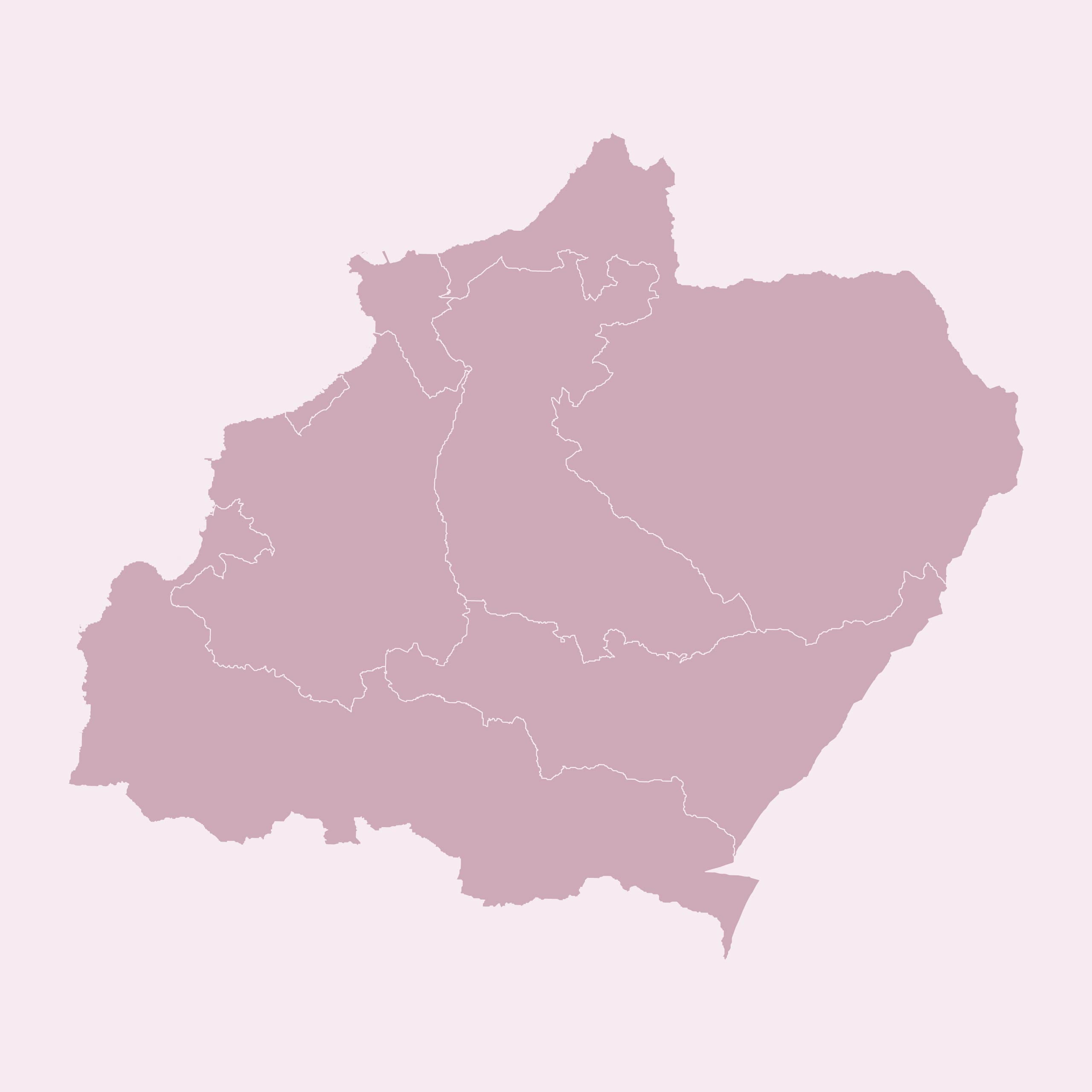
Baalbek-El Hermel Governorate

This governorate includes the largest number of state-owned properties in Lebanon, and 15.5% of its area is planned. According to the recommendations of the NPMPLT, it is considered a rural area where the majority of the population will continue residing mainly in small cities and villages, and is supposed to be organized, for local life, around 11 relay cities.

Beirut Governorate

This Governorate has the lowest number of state-owned properties (1284 plots), and it is the only fully planned Governorate. It is considered the economic, social, cultural, and political center of Lebanon, and according to the recommendations of the NPMPLT, the objective would be to search for qualitative rather than quantitative development of its qualifications, such as better organization of existing functions and enhancement of living conditions.

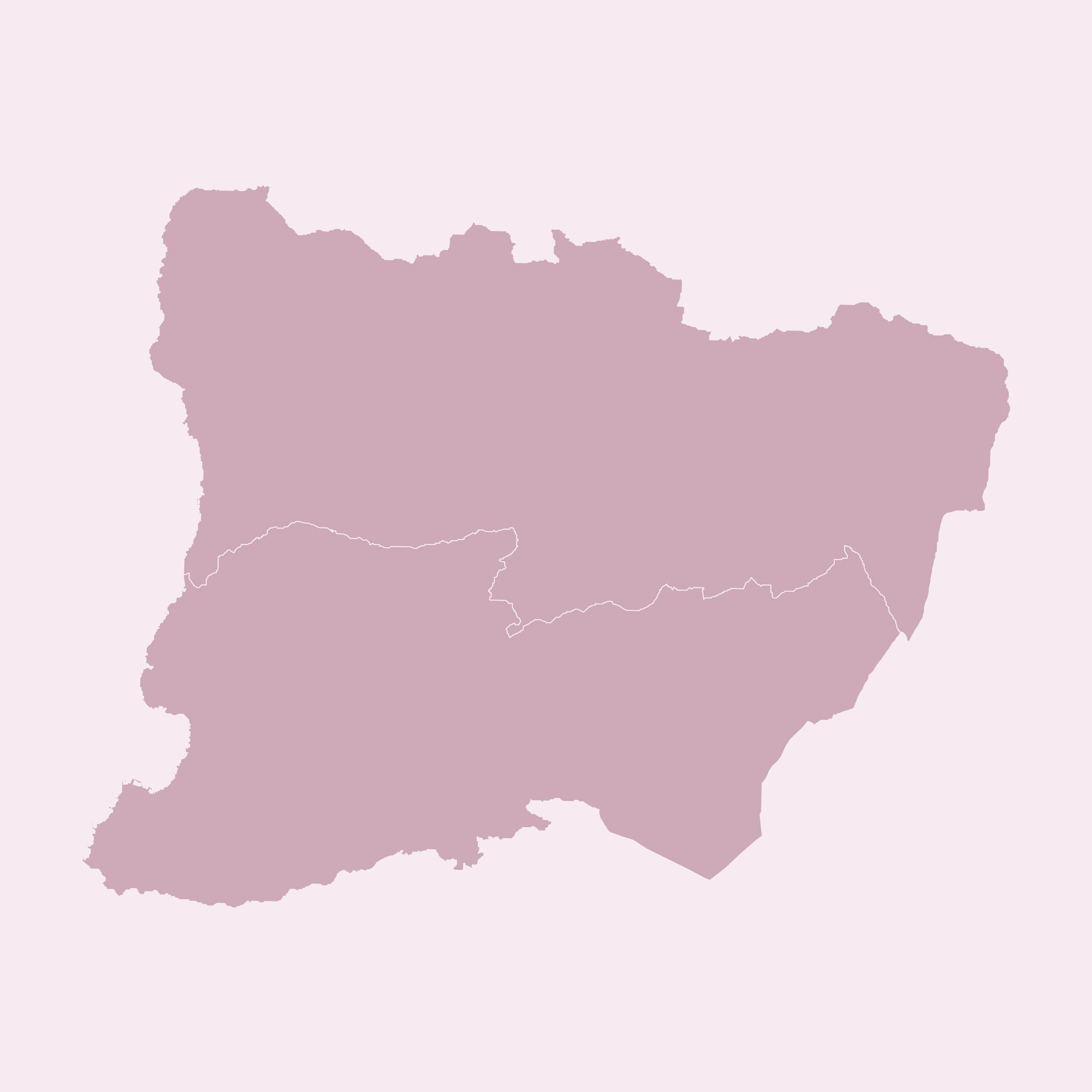
South Governorate

This Governorate includes a significant number of state-owned properties (5093 plots), and 23% of its area is fully or partially planned. According to the recommendations of the NPMPLT, the balance between the three poles of the South should be assured by a distribution of complementary functions: trade in Saida, tourism in Tyre and higher education in El Nabatieh.

Regions

Beirut Beirut Jabal Mount Lebanon kisrawan Keserwan-Jbeil Baalbek Baalbek-Hermel North North South South Unplanned regions make up 85.6% of all Lebanese lands 0% Planned Regions 0% Semi-Planned Regions 0% Unplanned Regions Faced with …

Land Policies in Lebanon

Timeline The current crises have proven the urgency of questions related to the systems that guide and manage lands in Lebanon, as well as policies and concepts stemming from the prevailing practices. This …

About

Some of the most radical urban struggles we have witnessed in Lebanon, arose in the face of projects or buildings that had not yet been implemented, due to our knowledge of their devastating …

Land Policy Observatory

Monitoring Land Legislations since 2019 0Laws 0Decrees (since 2021) 0DGU decisions 0Master plans 0Housing 0Public property 0Land management and planning 0Reconstruction and recovery 0Natural resources 0Construction 0Infrastructure

“Strong Lebanon” MPs: Proposing a Law Which Excludes Relatives from the Provisions of Freezing the Sale of Real Estate Properties does not Threaten the “Sectarian Identity” of the Areas Affected by the August 4 Port Explosion 

Proposing an accelerated law aimed at amending the second paragraph of Article 3 of Law No. 194 (Protecting the areas impacted by the explosion in the port of Beirut and supporting their reconstruction).

It was presented to the Parliament session on February 20-21, 2022

Azm Movement Proposes Approving a New Loan from the World Bank to Modernize the Lebanese Land System

A request for approval to conclude a loan agreement between the Republic of Lebanon and the International Bank for Reconstruction and Development, to execute the land system modernization project.

It was placed on the agenda of the 21-22/4/2020 session, but it was withdrawn by the government following the International Bank’s retraction of the loan due to the emerging circumstances.